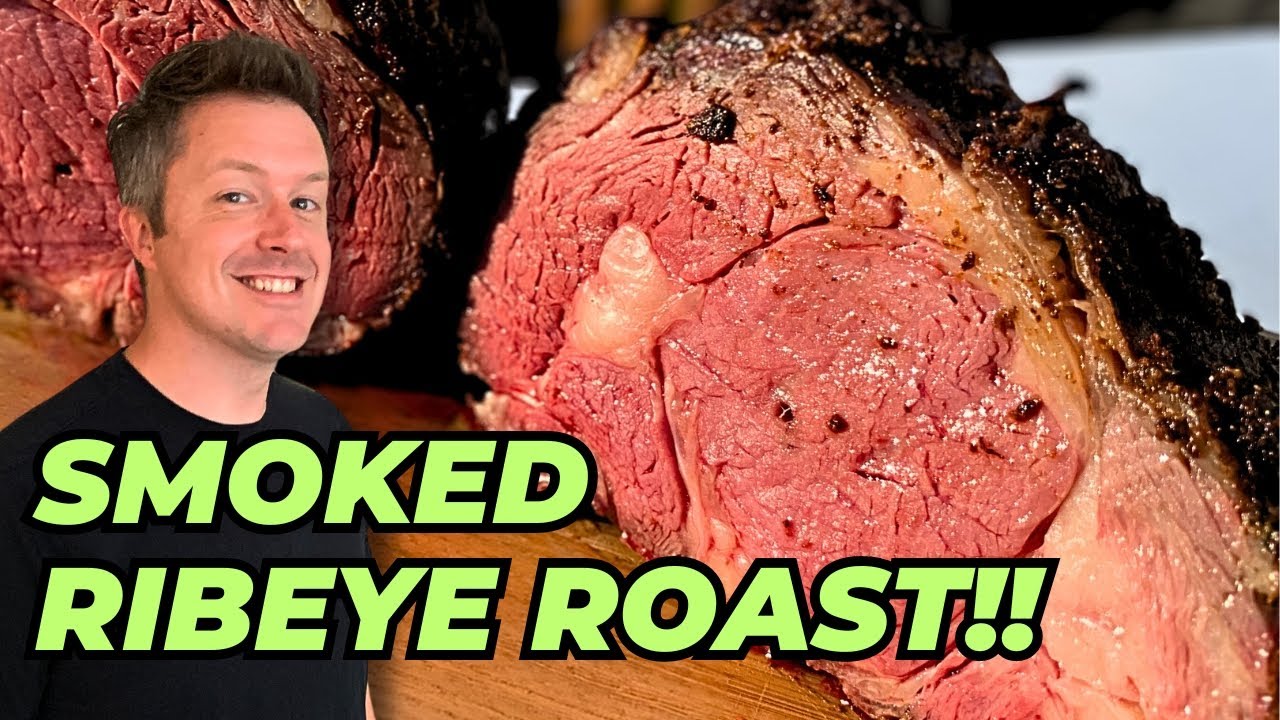
Easy Boneless Prime Rib: Your Guide to a Tender Holiday Roast
Few dishes evoke the festive spirit quite like a magnificent prime rib roast. Often considered the king of holiday meats, its mere mention conjures images of celebratory feasts and cherished family gatherings. Yet, for many home cooks, the idea of preparing such an esteemed cut can feel daunting, especially given its premium price tag. The good news? Cooking a truly spectacular
ribeye roast boneless prime rib at home is far simpler than you might imagine. With the right knowledge and a few key tips, you can transform a beautiful cut of beef into an irresistibly tender, juicy, and flavorful centerpiece that will impress even the most discerning palates. Say goodbye to intimidation and hello to your new favorite holiday tradition!
Decoding the Delicacy: What Exactly is Boneless Prime Rib?
Before we dive into cooking, let’s clarify what we’re working with. A prime rib roast, regardless of whether it’s bone-in or boneless, is a cut of beef from the primal rib section, specifically ribs six through twelve. This area is known for its incredible tenderness and rich marbling due to minimal muscle activity. While an entire rib section can span seven ribs, roasts are often cut to contain anywhere from two to seven ribs, depending on the desired serving size.
You might encounter this cut under several different names, which can be a source of confusion for even seasoned shoppers. Common aliases include:
*
Boneless Ribeye Roast
*
Boneless Rib Roast
*
Ribeye Roast (when referring to the primal cut)
*
Standing Rib Roast (when bone-in, but the same meat cut)
The key distinction for our purposes is "boneless." Traditionally, prime rib is roasted "standing" on its rib bones, which acts as a natural rack, keeping the meat from touching the pan. However, opting for a boneless cut offers significant advantages, primarily in ease of carving. Without bones to navigate, slicing perfect, uniform portions becomes a breeze, making your holiday meal service smooth and effortless. You'll just need a good roasting pan with a rack to achieve similar elevation and even cooking.
For those curious about the subtle differences between a ribeye roast and prime rib, and how these names apply to the various cuts you see at the butcher shop, we've got you covered. Dive deeper into the nuances with our guide:
Ribeye Roast vs. Prime Rib: Decoding Your Boneless Beef Cuts. Understanding these distinctions can empower you to make the best choice for your culinary adventure.
The Art of Selection: Choosing Your Perfect Boneless Prime Rib
The journey to a perfect prime rib begins long before you even preheat your oven. Selecting the right roast is paramount, as the quality of your beef directly impacts the final flavor, tenderness, and juiciness. When shopping for your
ribeye roast boneless prime rib, keep these crucial characteristics in mind, and don't hesitate to engage your butcher – they are an invaluable resource!
1.
Marvelous Marbling: This is arguably the most critical factor. Marbling refers to the tiny flecks of white fat interspersed within the lean red muscle. As the roast cooks, this intramuscular fat renders, infusing the meat with incredible flavor, keeping it moist, and contributing significantly to its tender texture. Don't be shy; examine the available roasts and choose the one with the most abundant and evenly distributed marbling. A well-marbled roast is worth the investment.
2.
The Essential Fat Cap: Look for a roast that has a discernible layer of fat on its exterior, typically on the top side. This "fat cap" serves a vital purpose during cooking, basting the roast as it renders, locking in moisture, and developing a savory crust. Always cook your prime rib with the fat cap facing up. If it's too thick (more than an inch), you can trim some down, but don't remove it entirely.
3.
Shape and Tying: A boneless prime rib roast should ideally be tied by the butcher to maintain a consistent, cylindrical shape. This ensures that the roast cooks evenly from edge to center. Irregularly shaped cuts are prone to overcooking in thinner sections while thicker parts remain underdone. If your roast isn't tied, you can easily do it yourself with butcher's twine, cinching it every inch or two.
4.
Understanding "Prime": It's important to note that the term "prime" in prime rib refers to the primal cut, not necessarily the USDA grading. While USDA Prime is the highest grade for beef, signifying superior marbling, not all prime rib is USDA Prime. Always double-check the USDA grade on the label (e.g., USDA Prime, Choice, or Select) to ensure you're getting the quality you expect. For best results, aim for USDA Prime or Choice.
5.
Freshness First: Always check the "sell-by" or "best by" date on the packaging to ensure you're purchasing the freshest possible roast.
6.
Know Your Weight: Determine the number of servings you need before you shop. A general rule of thumb is to calculate about ½ to ¾ pound of boneless roast per person. This helps you select the perfect size and avoid over- or under-buying.
For more in-depth guidance on finding the perfect cut and getting it prepped, explore our dedicated resource:
Shop & Cook The Best Boneless Prime Rib: Marbling & Prep Tips.
Mastering the Roast: Easy Steps for a Tender Boneless Prime Rib
With your perfect roast in hand, it’s time to transform it into a holiday masterpiece. The secret to a tender, juicy
ribeye roast boneless prime rib isn’t complex techniques, but rather attention to a few simple, yet critical, steps.
1.
Bring to Room Temperature: This is a non-negotiable step for even cooking. Remove your prime rib from the refrigerator at least 2-3 hours before you plan to cook it, allowing it to come closer to room temperature. A cold roast hitting a hot oven will cook unevenly, resulting in an overcooked exterior and an undercooked interior.
2.
Generous Seasoning: While the beef's natural flavor is king, proper seasoning enhances it dramatically. Keep it simple and classic or get creative. A basic rub of coarse kosher salt and freshly cracked black pepper applied generously to all sides is a fantastic starting point. Many chefs also like to incorporate granulated garlic, onion powder, rosemary, or thyme for aromatic complexity. Don’t be shy – the roast can handle a good amount of seasoning! Some even recommend applying the seasoning the night before and letting it sit uncovered in the fridge for a deeper penetration of flavor and a drier surface for a better crust.
3.
The Roasting Process – High Heat, Then Low: A popular and effective method for prime rib involves an initial blast of high heat to create a beautiful, savory crust, followed by a longer, slower roast at a lower temperature to gently cook the interior.
* Preheat your oven to a high temperature, around 450-500°F (232-260°C).
* Place the seasoned boneless prime rib, fat-side up, on a rack in a shallow roasting pan.
* Roast at the high temperature for 15-20 minutes. This creates that coveted crust.
* Reduce the oven temperature to a lower setting, typically 275-325°F (135-163°C), without opening the oven door if possible. Continue roasting until your desired internal temperature is reached.
4.
Crucial Internal Temperature: This is where a reliable meat thermometer becomes your best friend. For boneless prime rib, target these temperatures (remembering it will rise by 5-10 degrees during resting):
*
Rare: 120-125°F (49-52°C)
*
Medium-Rare: 130-135°F (54-57°C) –
often considered the ideal for prime rib
*
Medium: 135-140°F (57-60°C)
* Insert the thermometer into the thickest part of the roast, avoiding any rendered fat pockets.
5.
The Golden Rule of Resting: Once your roast reaches the desired temperature, remove it from the oven, transfer it to a cutting board, and tent it loosely with foil. Let it rest for at least 20-30 minutes (for larger roasts, up to an hour). This resting period is absolutely critical. It allows the juices, which have been pushed to the center during cooking, to redistribute throughout the meat, resulting in an incredibly juicy and tender roast. Skipping this step will result in juices flowing onto your cutting board instead of staying in your meat.
6.
Effortless Carving: The beauty of a boneless prime rib lies in its carving ease. After resting, simply slice against the grain into your preferred thickness. Serve immediately with pan juices or your favorite accompaniments.
Cooking a magnificent
ribeye roast boneless prime rib is a rewarding experience that transforms a special occasion into an unforgettable culinary event. By understanding the cut, making an informed selection, and following these straightforward cooking steps, you can confidently create a tender, juicy, and flavorful roast that will be the undisputed star of your holiday table. No more intimidation, just pure, delicious success!