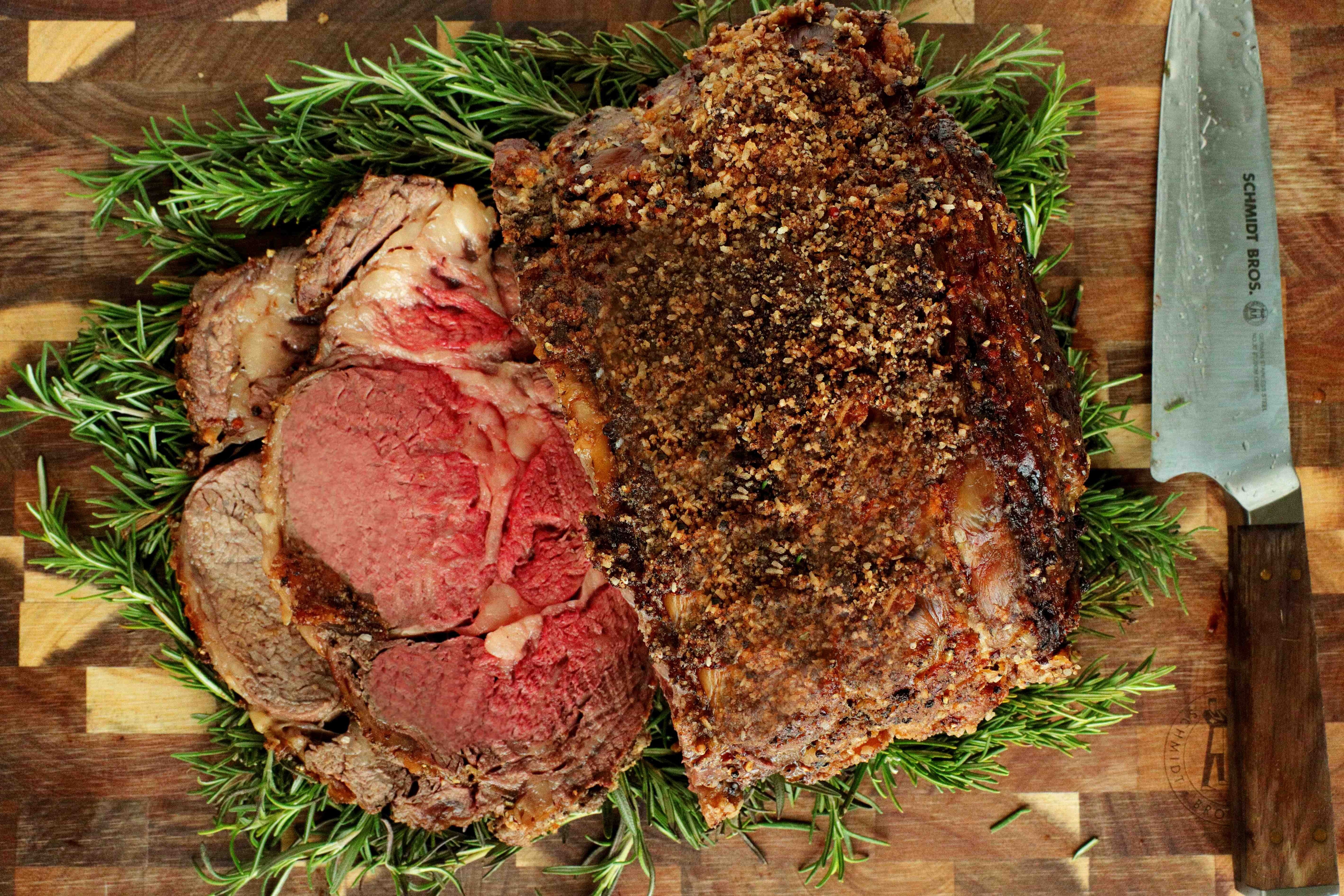
Unlocking the Majesty of Boneless Prime Rib: From Butcher to Table
There are few culinary experiences as universally revered as a perfectly cooked prime rib roast. Its rich, beefy flavor and unparalleled tenderness make it the quintessential centerpiece for holidays and special occasions. For many, the very thought of preparing this majestic cut can evoke a mix of excitement and trepidation, especially given its premium cost. However, we're here to demystify the process, proving that cooking a magnificent ribeye roast boneless prime rib at home is not only achievable but surprisingly easy!
Forget the intimidation factor. This comprehensive guide will walk you through the essential steps of selecting the finest boneless prime rib, understanding the crucial role of marbling, and mastering the prep techniques that guarantee a juicy, flavorful roast every time. By focusing on smart shopping and simple preparation, you'll be well on your way to creating a show-stopping meal that impresses without the stress.
Decoding Your Ribeye Roast Boneless Prime Rib: What's in a Name?
Before you even step into the butcher shop, it helps to understand what you're looking for. The world of beef cuts can be a maze of confusing terminology, but when it comes to prime rib, it's simpler than you might think. A prime rib roast is cut from the primal rib section of the steer, known for producing some of the most tender and flavorful beef. This section typically comprises ribs six through twelve.
You'll encounter various names for this glorious cut, including "Boneless Ribeye Roast," "Standing Rib Roast," "Boneless Rib Roast," and, of course, "Boneless Prime Rib." Confusingly, "prime rib" and "ribeye roast" often refer to the exact same primal cut. The main distinction frequently lies in whether the bones are in or out. A "standing rib roast" traditionally implies the bones are still attached, allowing the roast to "stand" in the pan, while a ribeye roast boneless prime rib means the bones have been removed, making carving significantly easier.
For a deeper dive into these classifications and to truly understand the nuances between different beef cuts from the rib, check out our guide on Ribeye Roast vs. Prime Rib: Decoding Your Boneless Beef Cuts.
Understanding USDA Grading and the "Prime" Misconception
An important point to note when shopping: the term "prime" in "prime rib" doesn't automatically mean your roast is USDA Prime grade beef. The word "prime" in the cut's name refers to the primal section of the animal, not its quality grade. USDA grades (Prime, Choice, Select) are assigned based on factors like marbling and the age of the animal. USDA Prime is the highest grade, indicating abundant marbling and superior tenderness, but it's not the only option for an excellent roast.
When shopping for your ribeye roast boneless prime rib, always check the actual USDA grade on the label. While a USDA Prime roast will offer the pinnacle of flavor and tenderness, a high-quality USDA Choice roast can also yield spectacular results at a slightly lower price point. Don't hesitate to ask your butcher for clarification!
The Art of Shopping: Selecting the Perfect Ribeye Roast
Choosing the right ribeye roast boneless prime rib is arguably the most crucial step in achieving a show-stopping meal. This isn't just any cut of beef; it's an investment, and you want to ensure you're getting the best possible product. When in doubt, always start a conversation with your butcher – they are an invaluable resource and happy to guide you.
The Golden Rule: Embrace the Marbling!
If there's one piece of advice to cling to when selecting your boneless prime rib, it's this: look for abundant marbling. Marbling refers to the delicate white flecks of intramuscular fat interspersed throughout the lean red meat. This isn't just about aesthetics; it's the secret sauce to tenderness, juiciness, and incredible flavor.
- Flavor Infusion: As the roast cooks, this intramuscular fat slowly renders, basting the meat from within and imparting a rich, buttery flavor that can't be replicated.
- Unmatched Tenderness: The rendered fat helps break down connective tissues, resulting in a melt-in-your-mouth texture that is the hallmark of a great prime rib.
- Juiciness Beyond Compare: Marbling acts as an internal moisture barrier, preventing the meat from drying out during the high-heat cooking process.
Don't be afraid to examine the available roasts carefully. Compare them side-by-side, looking for the one with the most intricate and widespread marbling. You're making a significant purchase, so take your time to select a roast that promises maximum flavor and tenderness.
Fat Cap and Shape: Crucial for Even Cooking
Beyond marbling, two other visual cues are vital:
- The Fat Cap: A good ribeye roast boneless prime rib will have a distinct layer of fat on its exterior, known as the fat cap. This is essential for cooking, as it helps self-baste the roast, keeping it moist and adding flavor as it renders. Always cook your prime rib with the fat side up, allowing the melting fat to trickle down and baste the meat below.
- Tied for Consistency: Since it's a boneless cut, it's important that your roast is tied into a consistent, rounded shape. Irregularly shaped roasts will cook unevenly, leading to dry edges and undercooked centers. Many butchers will expertly tie the roast with butcher's twine for you. If it's not tied, politely ask them to do so. This ensures a uniform thickness, promoting even heat distribution and a perfectly cooked interior.
Freshness and Sizing Your Roast
Finally, always check the "sell-by" or "best by" date to ensure you're purchasing the freshest possible meat. When it comes to size, plan for roughly 1/2 to 1 pound of boneless prime rib per person. This accounts for shrinkage during cooking and provides generous servings, with potential for delicious leftovers!
Essential Prep Tips for a Flawless Boneless Prime Rib
Once you've brought home your perfectly marbled and tied ribeye roast boneless prime rib, the preparation before cooking is straightforward but vital for success.
- Bring to Room Temperature: At least 2-3 hours before you plan to cook, remove the roast from the refrigerator. Allowing it to come closer to room temperature ensures more even cooking from edge to center. A cold roast will cook unevenly, resulting in a wider band of well-done meat on the exterior and a smaller, rarer center.
- Season Generously: This is not the time to be shy with seasoning. A boneless prime rib can handle a robust flavor profile. While salt is paramount – think a coarse sea salt or kosher salt applied liberally – consider a simple blend of freshly cracked black pepper, garlic powder, onion powder, and perhaps some dried herbs like rosemary or thyme. Rub the seasoning all over the roast, ensuring good coverage. The salt will penetrate the meat, enhancing its natural flavor and helping to tenderize it.
- Invest in the Right Tools: You'll need a sturdy roasting pan, ideally with a rack. The rack is crucial for a boneless roast, lifting it out of its rendered fat and allowing hot air to circulate evenly around all sides. Most importantly, a reliable meat thermometer is non-negotiable for cooking an expensive cut like prime rib to perfection. This takes the guesswork out of achieving your desired doneness.
With these foundational prep steps complete, your magnificent ribeye roast boneless prime rib is ready for its moment in the oven. For detailed cooking instructions and temperature guides, be sure to consult our article: Easy Boneless Prime Rib: Your Guide to a Tender Holiday Roast.
Conclusion
Cooking a ribeye roast boneless prime rib at home might seem like a daunting task, but as you've seen, success lies in understanding a few key principles. From the critical role of marbling in delivering flavor and tenderness, to knowing how to choose the right cut and preparing it properly, each step contributes to an unforgettable dining experience. Don't let the initial cost or reputation intimidate you; with these tips, you're empowered to create a holiday masterpiece or a special occasion feast that will earn rave reviews. Embrace the journey from butcher to table, and savor the rich rewards of a perfectly cooked boneless prime rib.
